Living with a long-term condition like lupus, fibromyalgia, or another chronic illness often means navigating the tricky balance between staying active and respecting your body’s limits. Many people find that traditional exercise routines can trigger symptom flare-ups — periods of increased pain, fatigue, or other distressing symptoms. So, how do you keep moving when even gentle exercise feels like a challenge?
In this post, we’ll explore how to engage in gentle movement and low impact activity that fits within your unique energy and pain budgets. We’ll explain key concepts like flare-ups and pacing in plain English, offer practical ideas for sustainable habits, and highlight trustworthy resources such as specialist clinics and independent review sites. Because at the heart of movement is not just managing symptoms — it’s about maintaining your identity beyond diagnosis.
Understanding Your Body’s Limits: What Is a Flare-Up?
A flare-up is a temporary increase in your condition’s symptoms — it might mean more pain, swelling, fatigue, or brain fog. Think of it like your body's way of waving a red flag: Hey, you’re doing too much right now! Flare-ups aren’t a sign of failure or weakness; they’re signals to pause and adjust.
It’s also important to appreciate that what counts as "too much" can change day-to-day. That’s where pacing comes in: a strategy that involves breaking tasks and activities into manageable chunks, interspersed with rest breaks, to avoid crashing or overdoing it.
Why Gentle Movement Matters
Staying still or completely sedentary may energy management chronic illness make symptoms worse over time — muscles weaken, joints stiffen, and mental health can suffer. However, rigorous exercise routines are not a one-size-fits-all solution. Instead, gentle, movement within limits helps maintain joint mobility, muscle strength, and overall wellbeing without risking flare-ups.
It’s less about “pushing through” pain or fatigue, and more about tuning into your body’s signals, adapting, and valuing small wins. Here are some benefits of gentle movement:

- Enhances circulation and reduces stiffness Supports mental wellbeing and reduces anxiety Improves sleep quality and energy management Maintains physical function for daily activities
Small Sustainable Lifestyle Habits: Where to Start?
Instead of jumping into intense exercise sessions, try these approachable ideas for gentle movement that can be integrated into your day-to-day life:
Chair Yoga: Accessible and adaptable, chair yoga modifies traditional poses for people who need extra support. It improves flexibility and oxygen flow. Walking: Even a few minutes of slow paced walking around the house or garden counts. Use pacing to break it up — for example, two-minute walks several times a day. Stretching: Gentle stretches focusing on major muscle groups can be calming and help reduce stiffness. Try to avoid bouncing or forceful stretches. Water-based Activities: If available, swimming or water aerobics offer buoyancy that supports joints and reduces impact. Balance Exercises: Simple movements like heel-to-toe steps or standing on one foot can improve stability without overloading muscles.Energy Budgeting: Treat Your Energy Like Currency
Energy isn’t unlimited, especially if you’re living with an autoimmune condition or chronic fatigue. Think of your daily energy as a budget:
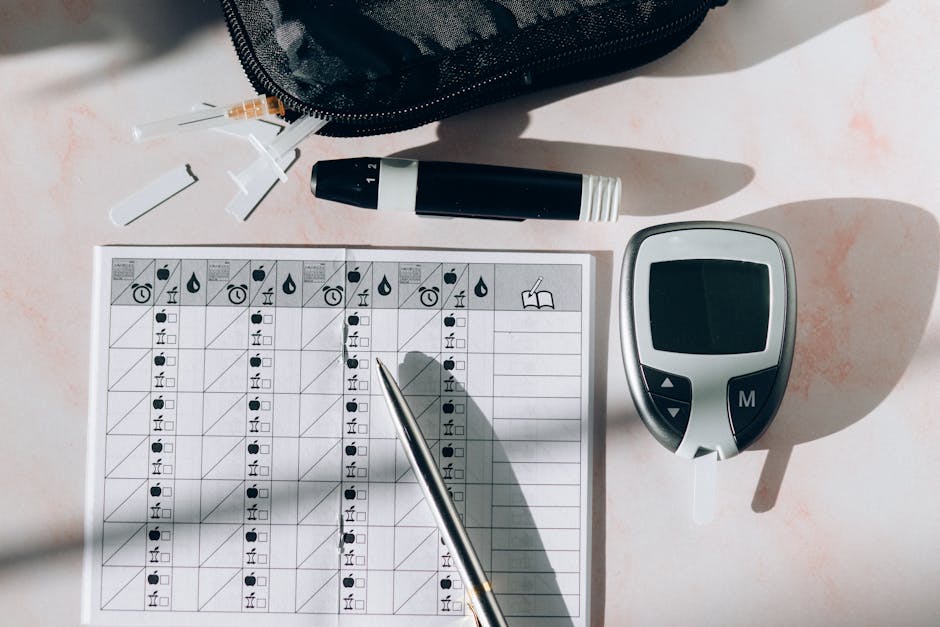
Energy Income Energy Expenses Balance Sleep, nutrition, medication, rest Physical activity, chores, socializing Try to avoid overdrawing to prevent flare-upsTracking how much energy you spend and when can help you plan gentle movement during times when you feel most able. Tools like journals or simple apps can support this approach.
Remember, pacing isn't about doing nothing — it’s about balancing activity and rest more efficiently.
Where to Find Support and Reliable Information
When experimenting with gentle movement strategies, it’s important to seek advice from professionals who understand your condition and can offer tailored guidance. Specialist clinics often provide physiotherapy, occupational therapy, and personalized exercise plans as part of a prescription pathway — meaning movement approaches that complement your medical treatment.
Reliable information matters, especially when you’re considering supplements or alternative therapies. For example, some people with chronic pain look into CBD products for symptom relief. However, it’s crucial to distinguish between over-the-counter CBD oils and prescription medical cannabis, which have different regulatory standards and evidence bases.
Resources like Releaf and CBD Ratings offer independent reviews of CBD products, helping you make informed choices free from marketing hype.
Community and Advocacy: You’re Not Alone
Living with flare-ups and energy limitations can feel isolating, but organizations like LUPUS UK provide peer support, advice, and advocacy for people living with lupus and related conditions. Connecting with others through support groups or online forums may help you feel grounded in your journey.
Final Thoughts: Movement Is Personal and Evolving
Gentle movement, pacing, and energy budgeting are ongoing practices that shift as your symptoms do. Embrace small steps, listen kindly to your body, and celebrate movement in whatever form feels right for you.
A gentle reminder: always talk to your clinician or specialist before making major changes to your activity levels or trying new treatments. They can help tailor advice to your unique medical needs and ensure safety.
After all, your identity is so much more than a diagnosis — and moving gently in your own way is one powerful way to honor that.